

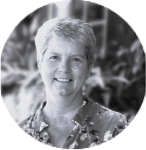
Charlie Labarda, MD, PhD, is a Professor of Medicine and Dean of the School of Health Sciences at the University of the Philippines Manila (UPM-SHS), where he has taught for more than a decade. He is a regular member of the National research Council of the Philippines, belonging to the Medical Sciences Division (Division III). Before joining the medical faculty at UPM-SHS he trained in at the Department of Family and Community Medicine at the Philippine General Hospital. He finished his PhD in the Department of Psychology at The University of Hong Kong, his Master in Development Management from the Asian Institute of Management (high honors), Doctor of Medicine (cum laude) at the Our Lady of Fatima University-College of Medicine, and his undergraduate Social Sciences studies (cum laude) at UP Tacloban College. He was a topnotcher in the Physician Licensure Examination (8th place).
He served as the Unit Faculty Representative to the All UP Academic Employees Union-Manila Chapter. He is also part of the UPM-SHS core faculty for the Leadership and Development Program (LDP) capacitating local chief executives (governors and mayors) in strengthening their health systems to achieve the goals of universal health care and sustainable development goals (SDGs) of the Philippine government. He also volunteers as civil society partner of DSWD in its 4Ps Program as Vice-Chairperson for the National Independent Monitoring Committee (NIMC). He also helps in various DOH and WHO projects in line with his advocacies around medical education, health equity, disaster public health, resilient and healthy communities, and mental health especially in low resource settings. Recently he became part of the Data Science for Public Policy Working Group based at the UP Center for Integrative and Development Studies (UP-CIDS), promoting the use of data science for public policy.

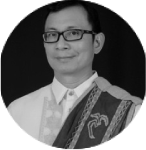
Dr. Dharamsi is Professor and Dean of the School of Public Health at the University of North Texas Health Science Center (UNTHSC) in Fort Worth, Texas. He received his Ph.D. in 2003 from the University of British Columbia in Vancouver, Canada. After completing his doctoral education, he worked with the Aga Khan Development Network as the Regional Director of an innovative, community-engaged early childhood development initiative in East Africa (Kenya, Tanzania & Uganda). He then returned to Canada to join the University of British Columbia. His research focuses on social accountability and health professions education, global health, and social determinants of health.
Dr. Dharamsi currently serves as the Dean of the College of Public Health at the University of North Texas Health Science Center. With 25 years of experience, he brings an interdisciplinary background and extensive international and community development experience as an educator, scholar, and administrator.
Dr. Dharamsi’s academic journey began in Canada, where he earned an interdisciplinary PhD from the University of British Columbia (UBC) and achieved tenure in the Department of Family Medicine. He also co-directed the UBC Center for International Health.
His work is at the intersection of public health, medical humanities, global health, ethics, and the social determinants of health.
Born in Tanzania, Dr. Dharamsi is a first-generation high school and college graduate. He is deeply committed to student success. He began his career as an inner-city schoolteacher.
His career includes leadership roles as regional director for early childhood development and poverty alleviation in East Africa with the Aga Khan Development Network, founding associate dean of the School of Osteopathic Medicine at the University of the Incarnate Word in San Antonio, dean of the College of Health Sciences at the University of Texas at El Paso, and senior advisor to the provost at New Mexico State University.
Dedicated to advancing public health, Dr. Dharamsi actively serves on the boards of several national and international organizations, including the ASPPH Global Engagement and Partnerships Advisory Committee.

Guest editorial: Rural medical education comes of age.
Guest editorial: Rural medical education comes of age.
This article reflects on the transformative impact of the 1994 Rural Undergraduate Steering Committee (RUSC) report, which laid the foundation for major reforms in Australian medical education to better prepare doctors for rural practice. Based on evidence linking rural upbringing and rural clinical experiences to future rural practice, the report spurred funding and policy shifts that led all Australian medical schools to adopt rural education targets. Key initiatives included the successful Parallel Rural Community Curriculum (PRCC) at Flinders University, which demonstrated the educational value of immersive rural learning. RUSC’s success paved the way for further innovations, including the creation of University Departments of Rural Health, Rural Clinical Schools, and entirely new medical schools—like James Cook University in Australia and the Northern Ontario School of Medicine in Canada—designed with explicit mandates to serve rural, remote, and Indigenous communities. Together, these developments mark a significant shift toward socially accountable, community-engaged medical education in the 21st century.
Related Resources
Positive implications from socially accountable, community-engaged medical education across two Philippines regions
How we incorporated service learning into a medical student rural clinical training experience.
Longitudinal integrated clerkships for medical students: an innovation adopted by medical schools in Australia, Canada, South Africa, and the United States.